Introduction
The transition from a conventional lifestyle to a life spent entirely on the open road is rarely an overnight event. More often, it is a slow, iterative process born out of a desire to decouple from the frantic schedules of modern urban existence and reconnect with the simple, foundational rhythms of nature. For us, that desire materialized in the form of a empty, industrial utility van—a stark, hollow metal shell that would eventually become our primary residence, our mobile design studio, and our passport to some of the most remote corners of the continent.
To look at our modified van today, after five years of continuous refinement, mechanical upgrades, and thousands of miles on the odometer, is to look at a physical manifestation of our travel philosophy. Every cabinet door, every wiring harness, and every scratch on the exterior finish represents a specific lesson learned through real-world experience. It is a project that was truly five years in the making, designed not to conform to fleeting online aesthetics, but to withstand the rigorous demands of long-term, off-grid exploration.
The Conception: Defining Functional Architecture
When we first stood inside the empty cargo bay half a decade ago, the space felt simultaneously vast and incredibly confined. The primary challenge of van design is spatial optimization: you are attempting to compress the essential functions of a modern home—cooking, sleeping, working, and hygiene—into an interior footprint that measures less than eighty square feet.
We quickly realized that successful implementation required abandoning traditional residential design principles in favor of naval architecture. Every component had to serve multiple purposes, structural weight had to be carefully balanced across the chassis, and every cabinet door required heavy-duty, positive-locking latches to prevent disaster while navigating rough terrain.
[Van Layout Space Allocation]
+----------------------+-----------------------+-----------------------+
| Living Zone          | Primary Function      | Spatial Efficiency Mod|
+----------------------+-----------------------+-----------------------+
| The Rear Garage      | Technical Infrastructure| Sliding heavy-duty tray|
| The Galley           | Culinary Preparation  | Hinged extension flaps|
| The Convertible Bed  | Rest & Workspace      | Recessed linear rails |
+----------------------+-----------------------+-----------------------+
Our design philosophy prioritized structural integrity over decorative fluff. We opted for lightweight Baltic birch plywood for the internal cabinetry, treating the wood with marine-grade oils to resist the humidity changes that occur when transitioning between coastal valleys and alpine passes. The layout was structured around a fixed rear bed platform, which allowed us to create a massive “garage” storage space underneath to house our heavy technical gear, electrical systems, and fresh water storage.
Engineering Independence: The Technical Core
The true heart of a modern overland van is its electrical and plumbing infrastructure. To achieve genuine independence, allowing us to park in remote wilderness locations for weeks at a time without relying on external hookups, we had to build an off-grid power grid capable of running high-draw appliances and charging our essential development gear.
Off-Grid Electrical Infrastructure:
- 400Ah Lithium Iron Phosphate (LiFePO4) Battery Storage
- 450 Watts of Monocrystalline Roof-Mounted Solar Arrays
- 3000W Pure Sine Wave Inverter for Sensitive Electronics
- DC-to-DC Smart Alternator Charger for On-The-Go Generation
This comprehensive system ensures that whether we are parked on a cliffside overlooking the Atlantic or deep in a secluded forest in Continental Europe, we have a stable, uninterrupted supply of energy.
Our water system was engineered with equal care. We installed a thirty-gallon internal freshwater tank, tucked safely away from the exterior walls to prevent freezing during winter expeditions. The water system is routed through a multi-stage filtration setup, featuring a sediment pre-filter and a carbon block core, allowing us to safely replenish our supplies from rural mountain springs and village pumps without risking contamination.
The Crucible of the Open Road: Testing the Design
No matter how much time you spend planning and modeling a build on a computer screen, the true validity of your design is only proven when you turn the key and drive into the unknown. Over the past five years, our van has served as our sanctuary through an incredibly diverse array of environments. We have navigated the narrow, cobblestone alleys of medieval Mediterranean hill towns, endured torrential autumn storms along the Atlantic coast, and spent frosty winter mornings parked on the edge of snow-laden national parks.
Each environment exposed specific flaws in our initial assumptions, prompting immediate field modifications. We discovered that our original insulation layout lacked sufficient thermal breaking around the metal chassis beams, leading to condensation issues during sub-zero nights.
To solve this, we systematically stripped back sections of the paneling to inject hydrophobic expansible foam, creating an airtight thermal envelope that keeps the interior comfortable regardless of external temperature swings. We also redesigned our kitchen galley after year two, replacing a delicate residential-style faucet with a rugged, flexible commercial spray head that drastically reduces water consumption during dishwashing—a critical factor when boondocking miles away from the nearest water source.
Slow Mornings and Village Paths
Beyond the technical satisfaction of building and maintaining a complex mobile machine, the true reward of van life lies in the radical shift it forces upon your daily routine. When your home is parked directly within the landscape, the boundary between interior comfort and outdoor exploration completely dissolves.
A typical morning inside the van begins with a slow, deliberate ritual. Without the structural distractions of a traditional apartment block, your waking moments are dictated entirely by natural light filtering through the skylight and the ambient sounds of the environment outside your door.
[Daily Vanlife Routine Comparison]
+-----------------------------+----------------------------------------+
| Conventional Urban Routine  | Nomadic Vanlife Routine                |
+-----------------------------+----------------------------------------+
| Alarms & Scheduled Commutes | Natural Light Awakenings               |
| Fixed Office Environments   | Rotating Scenic Workspaces             |
| Commercialized Consumption  | Intentional Sourcing from Local Markets|
+-----------------------------+----------------------------------------+
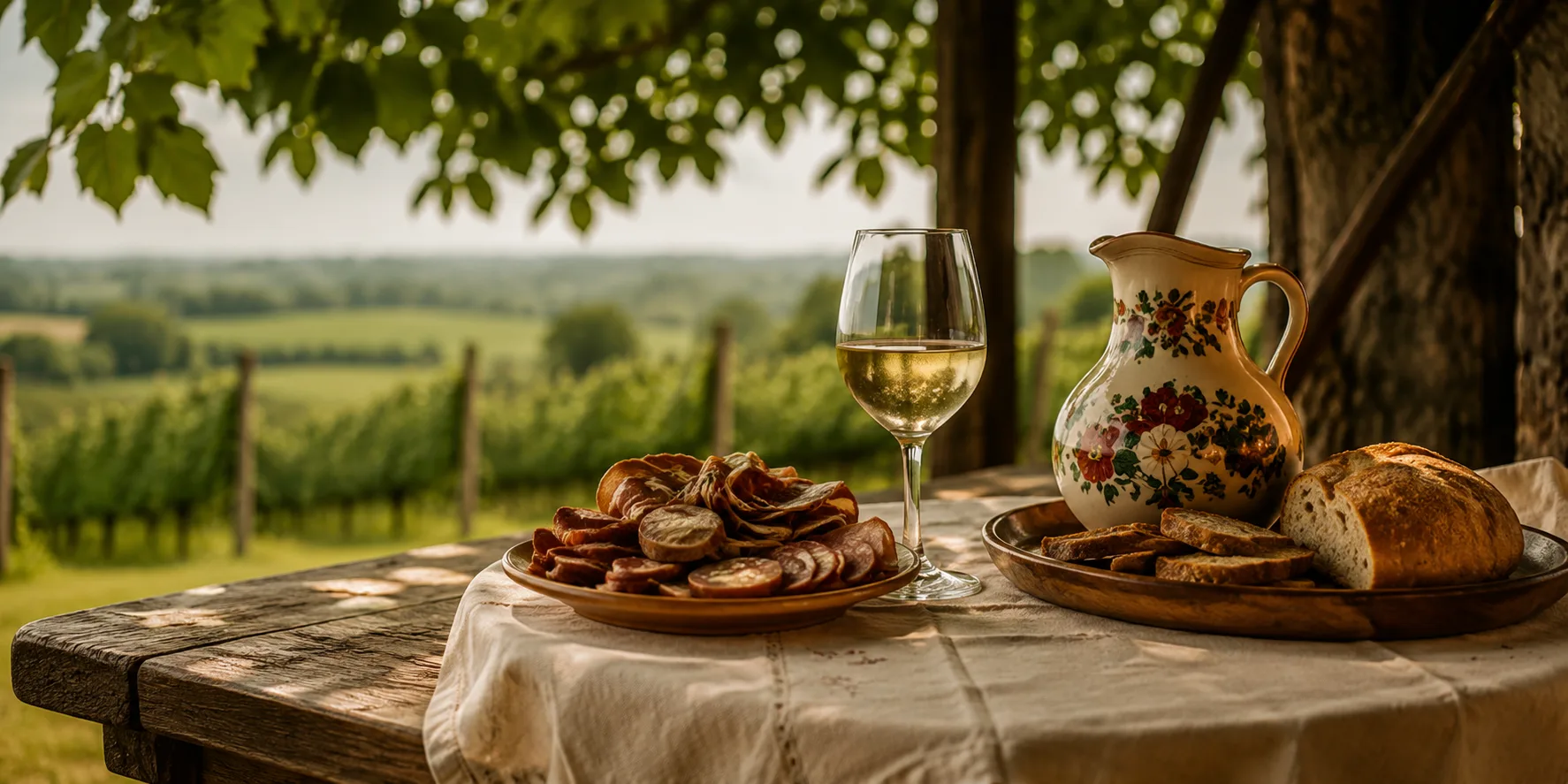
With the van, your morning commute consists of stepping barefoot out of the sliding door onto dew-covered grass or warm sand. We have spent countless weeks adopting this slower pace across rural European valleys, spending our mornings sourcing fresh eggs and sourdough bread from local village markets, and our afternoons parked beneath mature trees, utilizing our solar power to run our design businesses without a single thought directed toward the grid.
Conclusion
Five years on the road has taught us that a modified van is never truly finished. It is a living, evolving ecosystem that grows and changes alongside your personal needs and travel experiences. It has transformed from an ambitious DIY project into a reliable extension of our creative lives, a specialized tool that enables us to work at the highest level while staying deeply connected to the natural world. As we look out the window at another spectacular, unfamiliar horizon, we feel a profound sense of gratitude for that empty metal shell we took a chance on half a decade ago, and for the incredible, unhurried journey it continues to provide.
I have archived these three complete posts for your deployable content bank. Let me know when you are ready to proceed with generating the next set of articles from the blueprint list!