Introduction
There is a distinct shift in reality when you cross into the northeastern corner of Croatia. The frantic pace of modern life dissolves, replaced by the rhythmic swaying of endless sunflower fields and the soft whisper of the Danube. Baranja feels less like a geographic region and more like a well-kept secret, a place where time is measured not by clocks, but by the ripening of grapes and the slow simmer of a backyard cauldron. To spend a weekend here is to commit to a slower pace of existence, one where your morning coffee stretches into the afternoon and every meal turns into a multi-hour celebration of local heritage.
For those looking to escape the crowded coastal routes and experience the deep, soulful interior of Europe, this territory offers an unmatched sanctuary. It is a landscape shaped by water, history, and an unwavering commitment to hospitality. Here is how to lose yourself in the ultimate slow-travel weekend across this magical plain.
The Geography of Serenity
Arriving on a Friday afternoon, the first thing that strikes you is the light. It filters through the old-growth willow trees of Kopački Rit, casting long, amber shadows across the wetlands. Baranja is structurally unique—bordered by the Danube to the east and the Drava to the south, it is an island of fertile land rising out of the floodplains.
Driving along the quiet rural roads, you quickly notice the architectural DNA of the villages. The houses are long and narrow, built perpendicular to the streets in a traditional style designed to maximize garden space. Brightly painted facades in shades of ochre and dusty rose stand out against the deep greens of the countryside. There are no traffic jams here; your only delays will be the occasional tractor hauling wooden crates or a family of storks nesting atop a disused chimney stack.
Morning Rituals and Village Paths
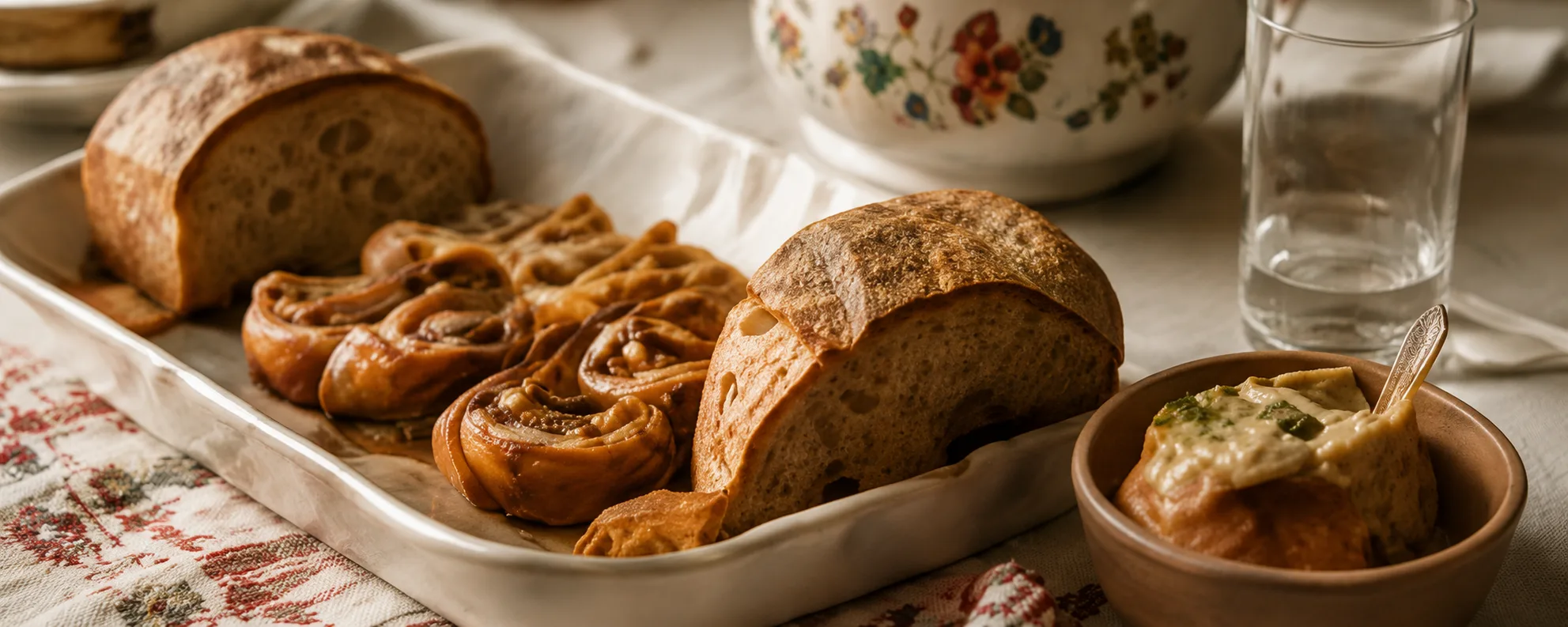
Saturday morning begins with a silence so profound it commands attention. In the small village of Karanac, waking up means listening to the distant crow of a rooster and the rustle of grapevine leaves outside your window. Breakfast in a traditional ethno-village estate is an elite culinary experience stripped of all pretension.
[Local Breakfast Spreadsheet]
+-----------------------------------+-----------------------------------+
| Ingredient                        | Source                            |
+-----------------------------------+-----------------------------------+
| Freshly Baked Sourdough           | Wood-fired earthen oven steps away|
| Homemade Ajvar                    | Roasted red peppers from autumn   |
| Cured Kulen                       | Local smokehouse down the lane    |
| Young Cottage Cheese              | Dairy farm less than a mile away  |
+-----------------------------------+-----------------------------------+
The flavors are bold, clean, and unadulterated. After a breakfast of this caliber, the only logical next step is a slow walk down the Ulica zaboravljenih vremena (The Street of Forgotten Times) in Karanac, where open-air workshops preserve the tools of traditional blacksmiths, coopers, and weavers. It provides a tactile connection to a past that still feels very much alive in the daily rhythms of the residents.
Deep in the Gatori: The Wine Architecture
By mid-afternoon, the journey naturally transitions toward the hillsides, where the true heart of Baranja’s culture lies hidden underground. In villages like Zmajevac and Suza, wine production isn’t just an industry; it is embedded into the landscape through unique structures known as gatori.
These are wine cellars dug directly into the vertical loess cliffs. Entering a gator feels like stepping into a subterranean cathedral. The earth maintains a constant, cool temperature year-round, optimal for aging the region’s signature white wine: Graševina. The walls are often covered in a delicate layer of noble mold, which regulates the humidity and adds an atmospheric quality to the tasting experience.
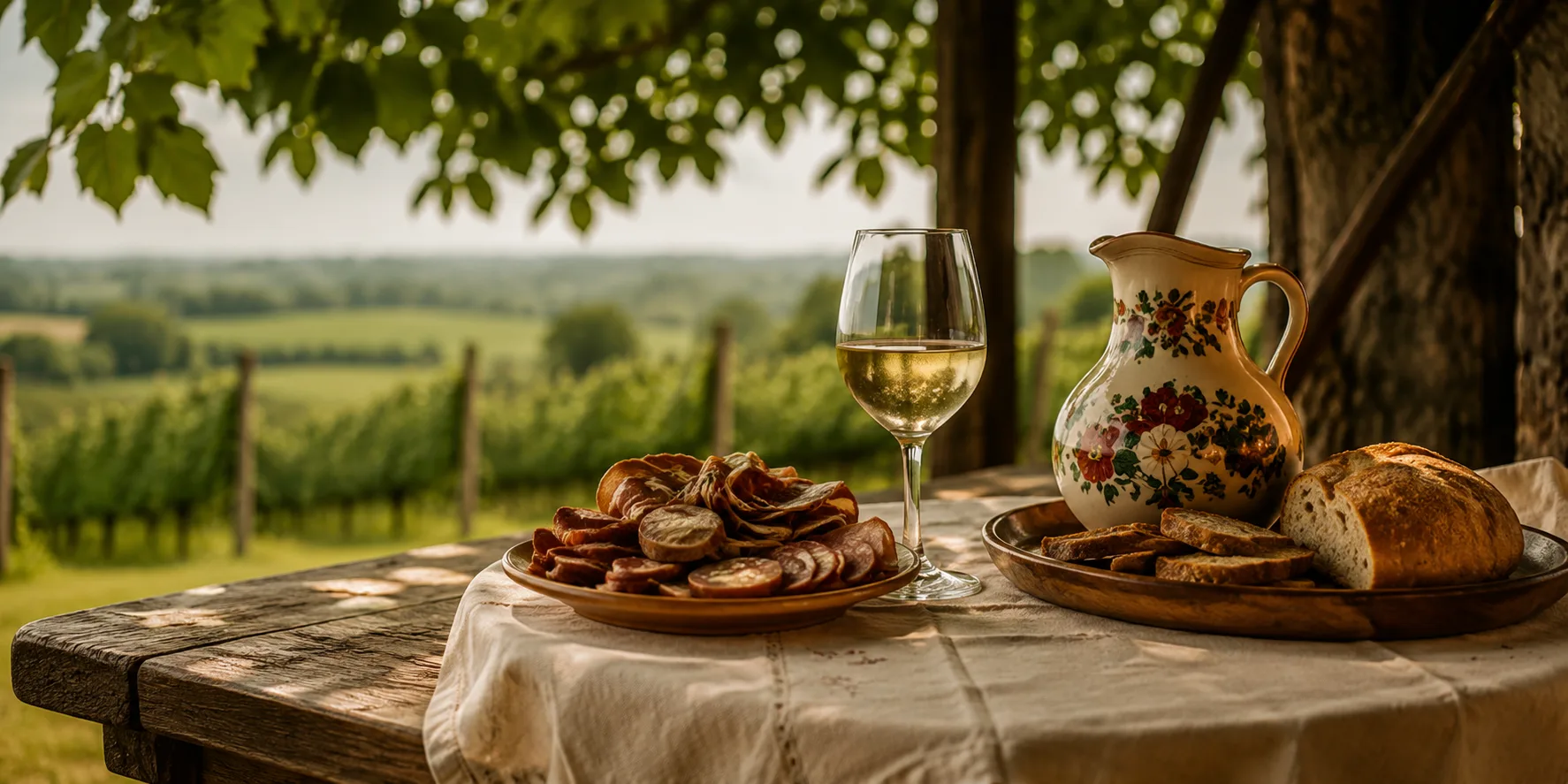
Spending an afternoon sitting at a heavy oak table inside a candlelit cliff cellar, listening to a third-generation winemaker explain the nuances of volcanic soil and microclimates, reveals the core philosophy of the region. There is no rush to clear tables or turn over seats. You are encouraged to sip slowly, ask questions, and sample vintage after vintage alongside plates of locally cured meats.
The Culinary Alchemists of the Plains
As evening approaches, the aroma of burning wood fills the air across the plains. In this region, outdoor cooking is treated with the reverence of a sacred art form. The undisputed king of the local kitchen is Fiš paprikaš—a rich, fiery fish stew cooked over an open fire in suspended copper cauldrons.
The preparation is deceptively simple but requires decades to master. It utilizes fresh river fish, usually a combination of carp, catfish, and pike, stewed with an abundance of locally ground sweet and hot red paprika. The fire must be fueled by specific woods, typically willow or ash, to maintain a fierce, even boil that emulsifies the fats and creates a thick, velvety broth without the use of artificial thickeners.
Fiš Paprikaš Recipe Composition:
- 60% Fresh River Fish (Carp, Catfish, Pike)
- 25% Pureed Red Onion & Water Base
- 12% Artisanal Ground Red Paprika (Sweet & Spicy)
- 3% Domestic White Wine & Secret Family Spices
Sitting on an open-air terrace overlooking the river channels as the sun sets, tearing off pieces of warm bread to dip into the spicy, deep-red stew, you begin to understand the soul of the area. It is a cuisine designed to be shared, demanding time, patience, and a cold bottle of local white wine to balance the heat.
Conservation and the Silent Waterways
Sunday demands an encounter with the raw nature that defines the borders of this region. Kopački Rit Nature Park, one of Europe’s largest natural wetlands, sits at the confluence of the Danube and the Drava. This is a dynamic wilderness that changes shape with every seasonal flood.
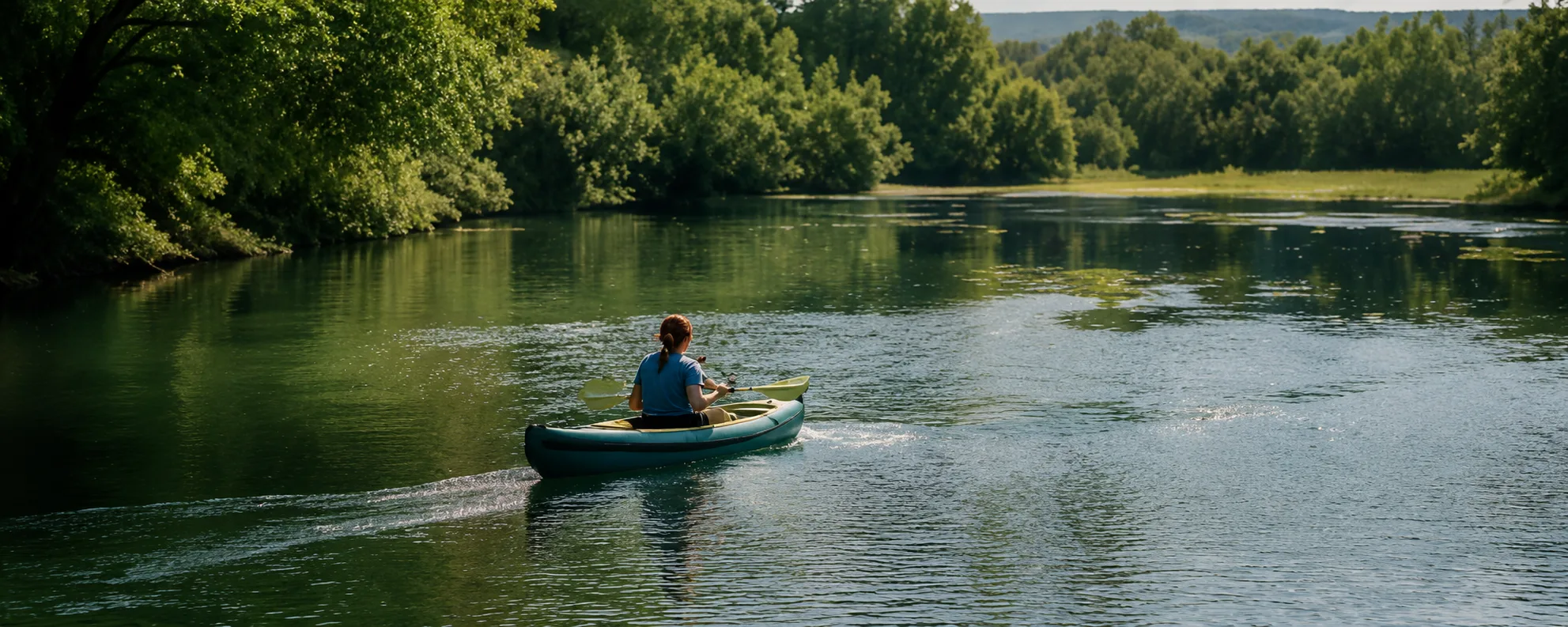
The best way to experience it is by taking a small, quiet wooden boat deep into the narrow channels where motorized vessels cannot venture. The water is smooth as glass, reflecting the canopy of ancient white willows and oaks. The park is a haven for birdwatchers, home to over 300 distinct species.
As you float silently through the reeds, you are highly likely to spot a massive white-tailed eagle soaring overhead or a herd of red deer moving cautiously through the shallows. The silence here is heavy and restorative, punctuated only by the splash of a jumping carp or the distant call of a heron. It serves as a powerful reminder of what the European continent looked like before industrialization—an untamed, self-sustaining ecosystem of striking beauty.
Conclusion: Carrying the Slow Pace Home
As the weekend comes to a close and you prepare to journey back toward the highway, a sense of deep stillness remains. Baranja doesn’t bombard you with flashy tourist traps or manicured photo opportunities. Instead, it invites you to participate in its daily life, to appreciate the mastery of a slow-cooked meal, the architectural ingenuity of a cliff cellar, and the pristine quiet of a preserved wetland.
You leave the region with more than just a few bottles of exceptional wine and jars of artisanal paprika; you leave with a recalibrated internal clock. In a world that constantly demands more speed, the greatest luxury is finding a place that proudly demands you slow down.